
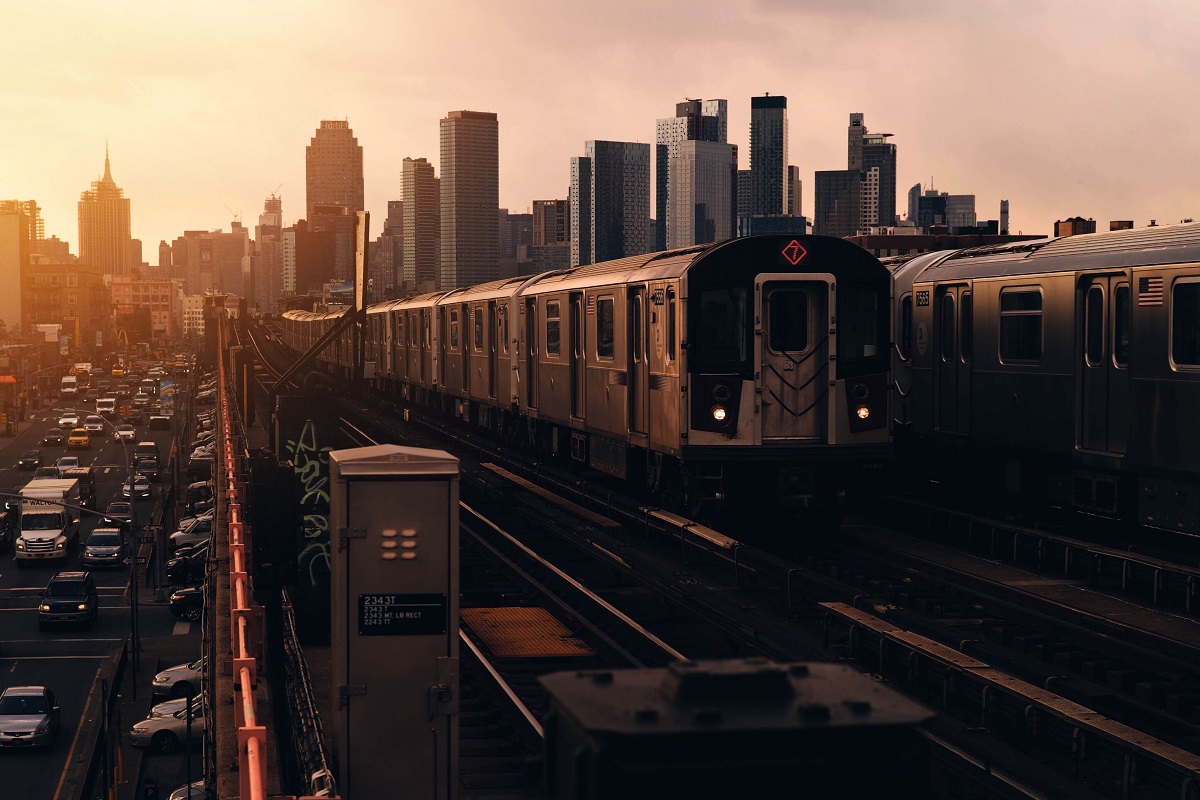
In recent times when those in New York City are working from home more often than not, a lot of residents are starting to look outside of Manhattan when buying real estate. Queens is `known for its spacious houses and apartments that are close by to diverse dining, green parks and convenient public transportation options. Some buyers consider Brooklyn first when buying a new home, but those who overlook Queens may be missing out on a gem.
Below, we’ve put together a list of some of the best neighborhoods in Queens for you to begin exploring.
Best Neighborhoods in Queens
- Astoria
- Bayside
- Flushing
- Forest Hills
- Jackson Heights
- Kew Gardens
- Long Island City
- Long Island City
- Ridgewood
- Sunnyside
- The Rockaways
Long Island City
What was once only an industrial neighborhood lost to time sitting just south of Astoria, Long Island City has since become a popular location that offers abundant rooftop lounges, unique bars, an art scene and beautiful luxury condos. Long Island City is found north of Greenpoint and across Newton Creek, making it ideal for any potential buyers who want to stay close to Midtown Manhattan. Long Island City was once its own city in the 1870s but was incorporated into New York City in the late 1890s.
In modern times, buyers will find properties that are situated as high-rise luxury condos found near the waterfront and Queensborough Plaza. There are also brick-faced buildings with multi-family residences that date back as far as the 1800s when you go further inland. Buyers will also find a number of breweries, bars and restaurants throughout the area, with much of them found strewn along Vernon Avenue. Some of the best dining areas sit on the East River’s shores at Hunter’s Point right off of Center Boulevard. There are units that tower over the waterfront and look over parks like Hunter’s Point Park and Gantry State Park.
As for transportation, the W and N train meets the 7 train at Queensboro Plaza. You can also get a ride on the G, E, M or R train through the stations situated throughout the New York City neighborhood.
Astoria
In the summer, those looking at properties around Astoria will notice single-family homes complete with blooming rose gardens. A few houses in the area permit their residents to plant gardens, helping to green up the space away from the streets. Alleyways make up a large section of the neighborhood that leads the way to shared backyards that are commonly used for relaxing and for parking. A lot of the buildings are multi-family homes that are pre-war, but there are many new condos to be found along the N and W trains above 31st Street. Every subway stop serves as a commerce corridor that stretches east to west for many blocks away from the stations.
Only paces away from the train stations, residents of new Astoria can enjoy a variety of food and coffee shops. Steinway Street offers chic furniture and clothing shops, with big-box retailers located along Northern Boulevard.
Summer days may have buyers walking around the waterfront or taking a trip to Astoria Park located beneath the RFK Bridge. Resting on the shore of the East River, Socrates Sculpture Park is also a popular area. Beer gardens are popular attractions in this neighborhood, with one of the oldest bars in the City, Bohemian Beer Hall, located there. Astoria is also home to Kaufman Movie Studies, which plays host to the Museum of Moving Images.
Forest Hills
Situated along the west side of the Flushing Meadows Corona Park, this area of the city feels like a different place in time. It boasts roomy Tudor-style houses that were constructed in the 1920s that sit on large pieces of property covered with oak trees. Those who love the water can buy a property that is only minutes away from Willow Lake or Meadow Lake to get access to relax or for boating.
The LIRR has a station in Forest Hills that brings commuters to Penn Station in only 20 minutes’ time. The station has tall buildings boasting red tile much like the homes around it. Furthermore, new homeowners can get on the F or E trains and get a lift to Midtown.
Many New Yorkers come from Upstate and Long Island alike to go to concerts at the Forest Hills Stadium that has hosted many famous acts over the years. Along Austin Street, you’ll find the main commercial area of the neighborhood where there are many boutique shopping areas right beside the Forest Hills Stadium and the train stations. Queens Boulevard is another place to shop nearby in Kew Gardens.
Kew Gardens
Located southwest of Forest Hills, Kew Gardens is bordered by the Van Wyck Expressway to the east and the Jackie Robinson Parkway to the west. It is a quiet neighborhood that those who need to commute to Manhattan will love. The LIRR also has a stop there, and the E train has a stop at the intersection of Jamaica and Metropolitan Avenues.
There are a number of restaurants waiting to be enjoyed on Metropolitan Avenue, though locals tend to hang out on Lefferts Boulevard near the LIRR. Kew Gardens pays homage to the famed botanical gardens found in England, while the Tudor-style homes also give a nod to the architecture found in that country. Forest Park can be found to the west of Kew Gardens, and locals will commonly take to the Forest Park Pine Grove as well as other hiking trails in the region.
Jackson Heights
Those considering moving to northern Queens should certainly consider Jackson Heights, a neighborhood that is close to Long Island, Manhattan and the surrounding areas of interest. Grand Central Parkway borders the area to the north, while the Brooklyn-Queens Expressway sits to the west, giving drivers many options when it comes to accessing Brooklyn and Long Island. Beyond that, LaGuardia Airport can be found just north of Grand Central Station, which makes the journey to the airport easy, even on busy days. Jackson Heights is also known for playing host to the Queens Pride Parade and Festival, which brings people from all over the city to celebrate.
Venues along 34th Street and 37th Street are where the locals head when they want to eat locally. There you will find a variety of cuisine, including Nepalese, Indian, Latin American and Tibetan food among others. A total of seven trains go east to west down Roosevelt Avenue, but you can get the E, F, M or R trains on 74th Street Broadway/Roosevelt Ave/Jackson Heights station.
Sunnyside
Found east of Long Island City is Sunnyside, sitting across from the LIRR train yard. This area was once farmland on a hill shrouded by marshlands in the 1700s. Since the building of the Queensboro Bridge in the early 1900s, the region developed into a quiet little community. By the 1930s, this area was home to six-story apartments, while the raised 7 train platform gave quick access to the many different nearby neighborhoods.
Today, those who move to Sunnyside will soon gain access to the LIRR station by way of the East Side Access project that will take them straight to Manhattan and help cut down on the daily commute. Queens Boulevard runs beneath the 7 train with a variety of pubs, restaurants, and coffee shops waiting to greet those on the streets.
Though Sunnyside is known for its pre-war walk-ups in the co-op properties, you can still find two-story multi-family homes in the area. This is especially true to the north around 29th Avenue. The Long Island Expressway meets the BQE in Sunnyside, making it ideal for those looking to travel by car through New York City.
Ridgewood
If those in Bushwick walk east by Wyckoff Avenue, they will end up on the streets of the Ridgewood neighborhood. Surrounded by Maspeth, Middle Village and Glendale, this neighborhood sits on the border of Brooklyn and Queens, offering easy access to the music venues and bars of both neighborhoods. This area was settled in the 1700s by the British, though during the 1800s, many of the residents moved to Bushwick. This left Ridgewood undeveloped until the 1900s when the row houses came to be.
The neighborhood got more popular after the discovery of freshwater around Northern Brooklyn, which brought out the beer brewers who founded more than 30 breweries in the area. These days, New Yorkers still want real estate there, since the M train can quickly move residents through Manhattan and Brooklyn. Wyckoff Avenue and Fresh Pond Road are the areas where locals hang out and shop, though unique pubs and diners are found throughout the western area of Ridgewood, specifically near Menahan Street.
Flushing
One of the older settlements in the city, Flushing began as a Dutch settlement in the 1600s where it quickly became one of the first five towns created in Queens. It has the fourth largest central business district in the city, which is found at the intersection of Roosevelt Avenue and Main Street. It is one of the business intersections in the entire city, following only Times Square and Herald Square. The LIRR Port Washington stops in the area, and commuters usually take the 7 train from Main Street to reach Midtown.
Even with a busy economic center, Flushing also has plenty of residential charm and space, filled with single and multi-family homes alike. Flushing has a big Chinatown area where those who live in the area can enjoy a number of Southeast Asian cuisines. Kissena Corridor Park sits on the southern perimeter of the neighborhood and is home to the Queens Botanical Garden. Drivers who often go north to the Bronx or the state of Connecticut will love the area since the Whitestone Expressway will take them right to the Whitestone Bridge.
Bayside
Those who want a view of the Long Island Sound can consider checking out homes in Bayside. Bayside rests on the shores of Little Neck Bay, a place where many boaters keep their crafts anchored. The Cross Island Parkway makes up the eastern border, while Whitestone rests to the north and Francis Lewis Boulevard sits on the west.
The Port Washington Line of the LIRR goes through Bayside, offering a straightforward commute to Penn Station. Residents are also free to take the bus to the 7 train into Manhattan. Furthermore, the Throgs Neck Bridge is located at the top of the neighborhood, offering residents simple access to Westchester and the Bronx by car. This area was once considered a getaway for the wealthier of the NYC area in the 1800s and 1900s. Various celebrities and movie stars had luxurious homes in Bayside, and by the 1940s, developers began to build one of the largest areas of free-standing houses in the city.
Buyers in the modern age can not only enjoy roomy properties near the waterfront, but they also won’t have to share a wall with any neighbors like they might in an attached home. Bay Terrace is where many residents will go shopping with its grocery stores and big-box retailers. Locals like to go south to Bell Boulevard by 40th Avenue found near the Bayside LIRR stop.
The Rockaways
Queen is a bustling borough and is much larger than the Bronx or Manhattan. Its location is nestled around Brooklyn like a blanket, and the southernmost area of this neighborhood is the Rockaways. Running all of the way from Breezy Point Tip on the east end to the west where Far Rockaway lies, this neighborhood is great for those who want to be close to the ocean. Surfing enthusiasts come from all across the state to try out the waves at the Far Rockaway shorelines. Some even end up staying at Rockaway Beach and Rockaway Park.
Alongside the surfers, New Yorkers who want to work in the financial district or another location downtown will buy property in Rockaway Beach thanks to the ferry service that runs between Battery Park and the Rockaways. The A train also goes through the area, giving riders a beautiful view of Jamaica Bay while the train speeds over the water.
Frequent fliers may also enjoy the Rockaways, as the neighborhood is close enough to the JFK airport to drive to it. The bar scene in the area is bustling, and the Rockaway Beach Surf Club is a popular place that the residents frequent. The club also draws New Yorkers from all across the city and state on occasion when the area hosts concerts only minutes away from the beach. Beach Channel Drive also has a Stop and Shop, which is right by the ferry terminal, giving riders a place to stop and get groceries before going home to one of the many beautiful bungalow-style homes that are found in the area.
There are many attractive neighborhoods in Queens that make it a popular place to live. No matter what you’re looking to get out of a new life in Queens, one of these many neighborhoods is sure to suit your taste and lifestyle. If you want to see tips on how to sell your NYC apartment after a crises, see here.